
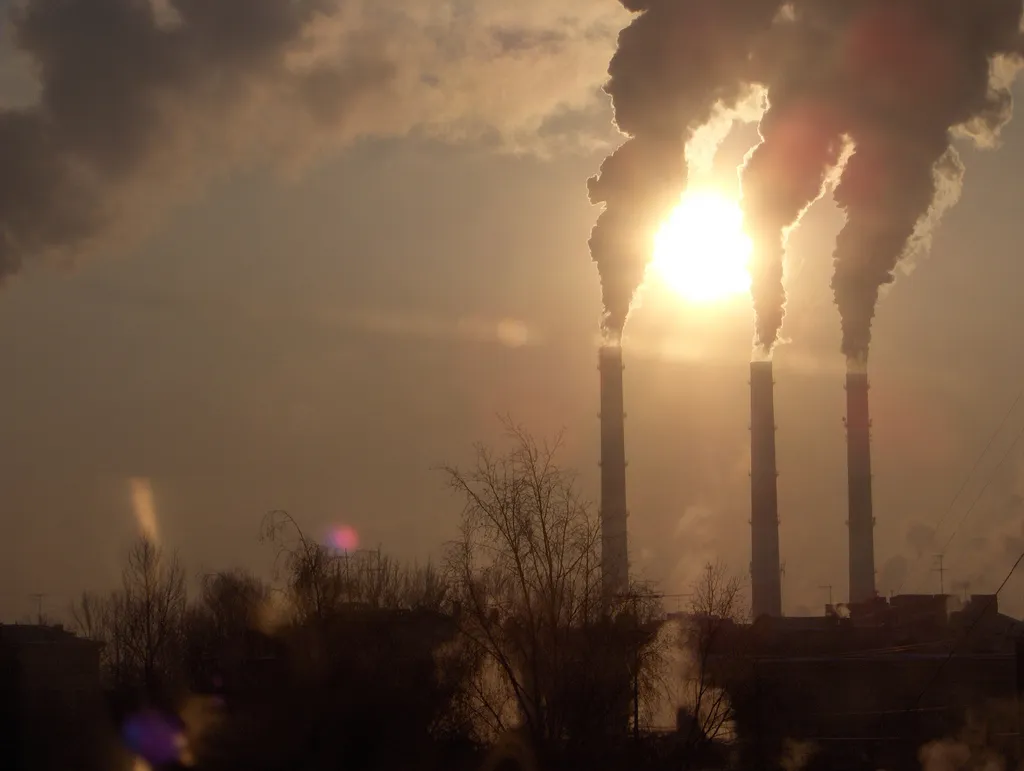
EU governments should be pushed to invest far more in decarbonising local industry so the bloc’s manufacturers get extra time to adapt to net-zero targets, says a draft proposal by the lead MEP on reforming the EU Emissions Trading Scheme (ETS) published on Friday (11 September).
German centre-right MEP Peter Liese told reporters his plan would force governments to spend 75% of revenue from ETS permit sales on helping domestic industries covered by the system to decarbonise and modernise.
The European Commission, in its draft published in July, had proposed a 50% threshold.
Liese said the change is meant to defend EU industry — many firms have warned that high CO2 costs hollow out competitiveness and push production abroad to places with looser rules.
“If you have a screw and you pull it too hard it can break,” Liese said, insisting “many industries are suffering.”
He warned it is “impossible” for sectors such as aviation, cement, steel and chemicals to reach zero emissions by 2039 without pragmatic support and realistic timelines.
‘Step-by-step’
His amendments would also slow the pace of emissions cuts in the ETS: a 3.4% annual reduction from 2031, then 2.3% from 2036 — a steadier glide path compared with the Commission’s original approach.
“You cannot emit forever,” Liese told reporters, “but it needs to be predictable and it must be step-by-step.”
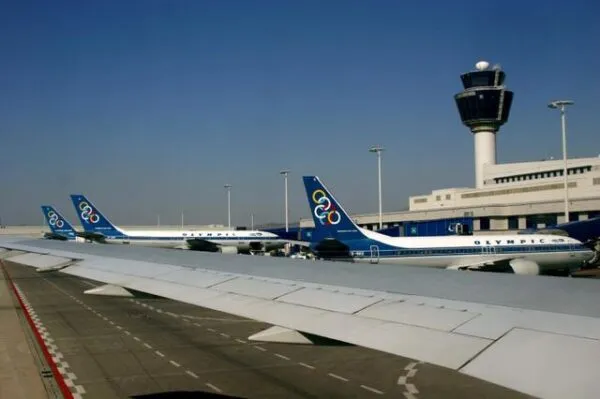
Read more€10.9bn in free EU carbon permits for airlines fuels row over emissions trading reform
Liese’s European People’s Party group, the largest in the European Parliament, has led coordinated pushback against many of the European Green Deal laws passed between 2019 and 2024 — reflecting industry fears that compliance costs weaken Europe’s position against competitors such as China and the United States.
This article continues, but the full version is available only to EUobserver.com subscribers. Visit account.euobserver.com/membership