The Kremlin call: How talking to Putin revealed Europe’s deepest split over Ukraine The leaders of Finland and Norway were criticised for reaching out to Russia — yet Europe still lacks leverage over Donald Trump’s peace push. By TIM ROSS in Helsinki
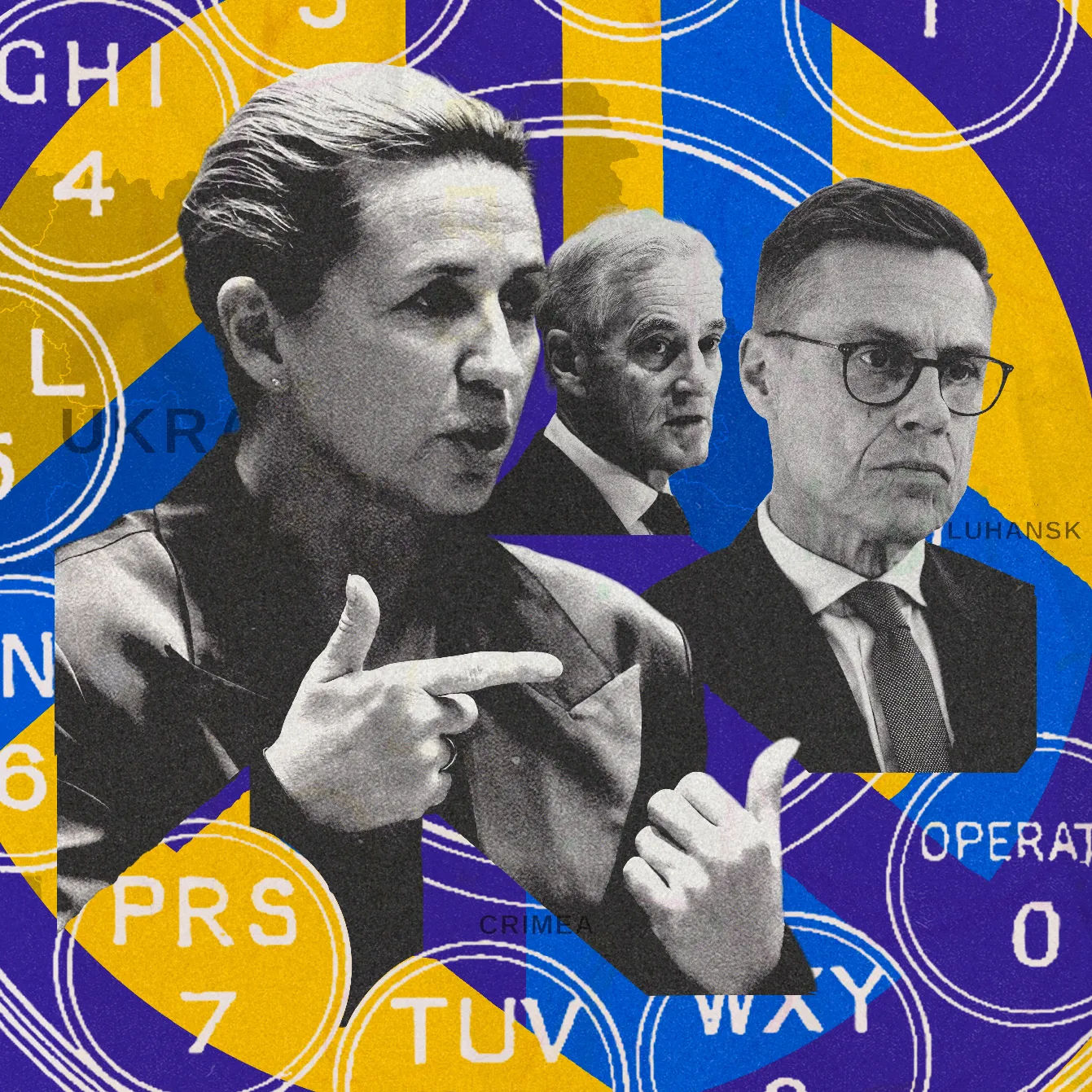
Beneath the chandeliers and oil paintings of his Presidential Palace, Finland’s president Alexander Stubb sat down next to his long-time friend Jonas Gahr Støre, the Norwegian prime minister, to call Vladimir Putin.
They hoped such a direct intervention with Russia’s leader would show that parts of Europe are serious about finding a way to an end to the fighting.
Instead, the conversation on a damp autumn morning in Helsinki set off the sharpest rift among Nordic allies since Moscow’s campaign began — and exposed Europe’s wider divisions over how to deal with Russia at a crucial moment for peace efforts.
As Russian and Ukrainian negotiators prepare for talks with Donald Trump’s envoys in Abu Dhabi this week, the fallout from the call is still being felt across Europe. Governments are arguing about who should represent the continent in future negotiations and remain divided over the central question: Does engaging Putin help steer him toward a deal, or merely reward aggression?
Underlying European anxiety is another dilemma: Can America be trusted to broker a deal that protects European interests and Ukraine’s long-term security?
EU leaders will confront these questions at an informal summit in Dublin this week. Few involved expect consensus.
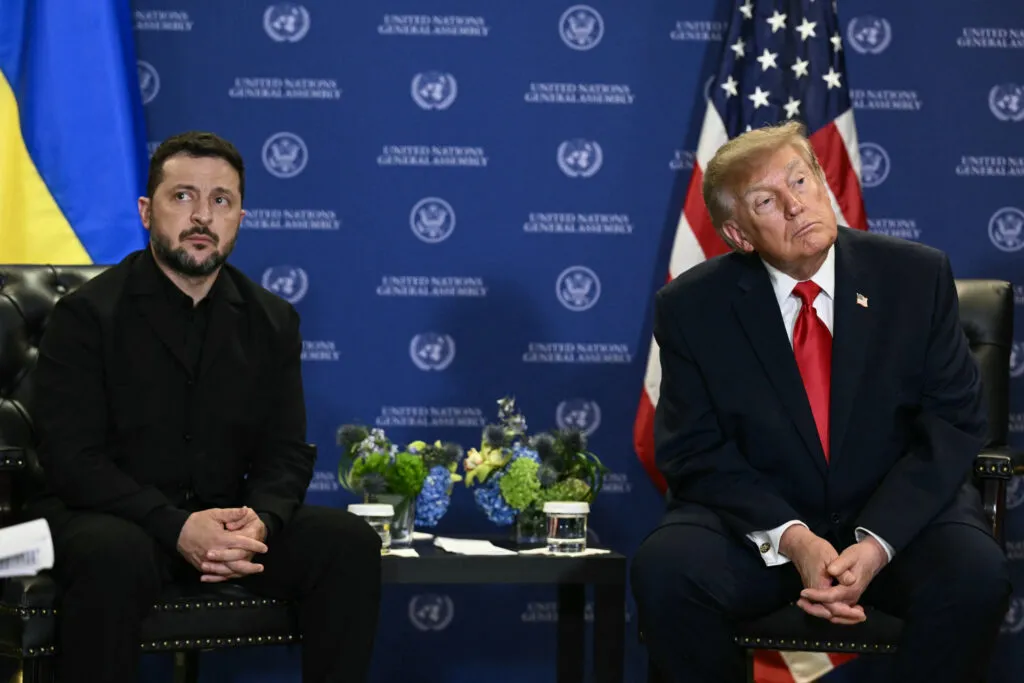
Ukraine’s President Volodymyr Zelenskyy and his U.S. counterpart Donald Trump in New York, on Sept. 22, 2026. | Brendan Smialowski / AFP via Getty Images
In an interview in Oslo, Støre explained why he and Stubb decided to call a leader whose actions have reshaped Europe’s security landscape and who continues to press his country’s objectives across the region.
“We work closely with our European partners in supporting Ukraine, but the only voice reaching Moscow comes from Washington,” Støre said. “And you know, we have good and open relations with the American negotiators, with the American administration, but this [war] happens in Europe. And living month by month, thinking that this war will end by Europe not talking to Moscow, I think, is an illusion.”
Other countries that share a border — and history — with Russia strongly disagree.
“Europe should not be in a mediator’s position,” Estonia’s Prime Minister Kristen Michal told reporters. “You should not take the role of trying to please the dictator.”
Based on interviews with politicians, diplomats and officials, many granted anonymity to discuss sensitive matters, this is the inside story of a phone call that shook Europe.
The Trump shock
Europe has struggled for influence over the stop-start Ukraine peace process ever since Trump returned to the White House in early 2025, picked up the phone to Putin and halted U.S. financial assistance to Kyiv.
Trump’s moves fractured the transatlantic consensus built under his predecessor, offering Putin the prospect of a ceasefire that could leave Russia closer to its aims.
The U.S.-Iran war this year interrupted momentum, but Trump returned to the topic of Ukraine again in October, criticising President Volodymyr Zelenskyy for attacks on Russian energy infrastructure and suggesting Putin’s side had merits.
Fearing the negotiations were slipping away, Stubb and Støre stepped in. Støre hosted Zelenskyy and Trump envoy Steve Witkoff in Oslo in an attempt to steady the process. Stubb, who also attended, said the Oct. 20 meeting had put the peace process “back on track.”
But 24 hours later, Witkoff surprised European leaders by meeting Putin in St. Petersburg and praising him as a “humanitarian.” After consulting Zelenskyy, the two Nordic leaders concluded they could not leave Trump, Witkoff and others as the only Western figures speaking directly to Moscow.
Old friends
Stubb and Støre have known each other for years and worked closely on Russian affairs when both served as foreign ministers. They talk and text frequently — and often pair up on key dossiers despite different political backgrounds.
They had quietly considered a joint call to the Kremlin for months and concluded that reviving momentum would be critical ahead of renewed negotiations in Abu Dhabi.
Many Europeans, officials privately acknowledge, no longer trusted Washington to defend either Europe’s interests or Ukraine’s long-term position.
“We have to ask the question in Europe if we feel that someone else should have the contact and the discussion on our behalf,” one EU government official said. “Is the feeling that the U.S. should own our objectives?”
“It’s important that Donald Trump is not the only leader from the West who talks to Putin,” another senior European official said. “We need pro-Ukraine leaders putting their messages to Putin too.”
So, almost five years after Russia’s diplomatic isolation began, Stubb and Støre decided to call the Kremlin. The Nordic team reached out to Russian officials and agreed parameters for the conversation. Each side would take turns to deliver their prepared messages, without interruption.
Omens in oils
Some signs were inauspicious from the start.
As the leaders sat next to each other at the long cabinet table in Stubb’s plush presidential salon on Oct. 27, two large, gilt-framed oil paintings loomed over them, depicting battle scenes from the Crimean War. One canvas shows an Anglo-French naval force retreating under fire on Finnish territory, a reminder of an era two centuries ago when Finland was part of the Russian Empire.
According to some accounts, Putin shared his interest in Russia’s past with the two Nordic leaders — delivering a lengthy lesson on Slavic history and his view of the conflict’s origins.
One senior official familiar with the matter said Stubb and Støre listened patiently during the 90-minute conversation. Other European officials briefed on the call denied that Putin had given a history lecture at all, saying this was spun to humiliate the Europeans.
Støre himself said: “I was present. He didn’t.” Putin has well-worn arguments about the origins of the war, he added. “But in all fairness, he can give his explanation, and we respond to that.”
For their part, the Nordic pair first relayed Zelenskyy’s messages — that territorial boundaries can only be discussed at leader level, face to face, and that de-escalation measures must come first. Stubb and Støre then raised Baltic Sea security and the need to keep shipping lanes open for trade.
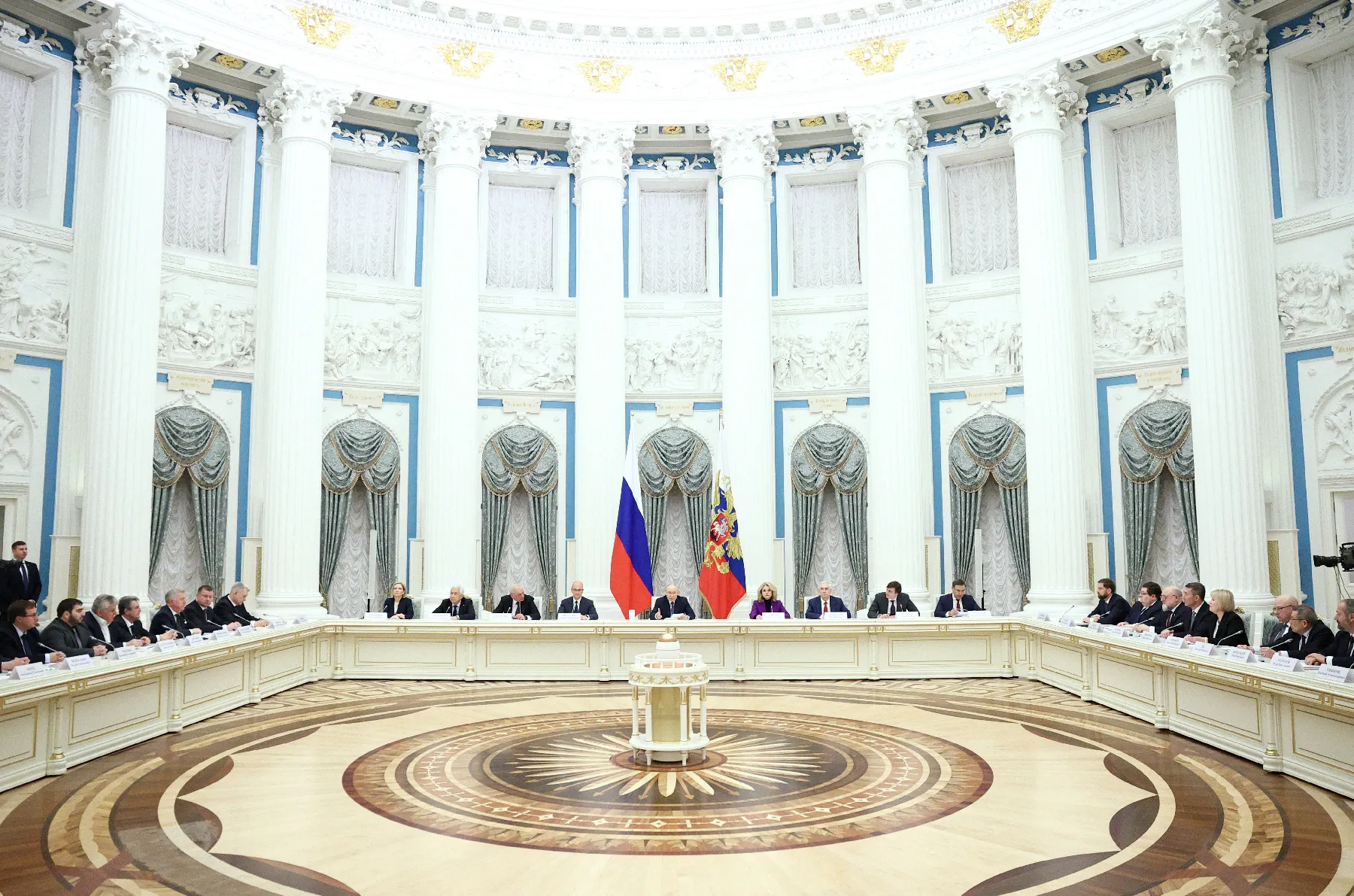
One reason for holding the call was to try to gauge Putin’s state of mind, officials said. The Norwegian leader described Putin on the phone as “rational” and “professional.” “His arguments were perfectly clearly transmitted.”
Putin took the idea of talks in Abu Dhabi seriously and told the Nordic pair he would instruct his negotiators to prepare for the meeting to explore whether progress was possible. “The fact that he picks up that phone, that we have, you know, other ways of reaching, I think that signals, at least that there’s a readiness to sit down.”
But afterwards, Støre was still not convinced that Putin was genuinely open to a swift deal. Despite their efforts, the Norwegian and Finnish team do not expect a major breakthrough in Abu Dhabi.
Baltic backlash
When Stubb’s office announced the surprise call, the diplomatic blowback played out publicly.
By coincidence, the leaders of Denmark and Sweden, among others, were already gathered in Helsinki for a Nordic Council meeting. Confronted by TV crews, they showed clear irritation.
“I’m very skeptical about this Norwegian and Finnish initiative,” Denmark’s Prime Minister Mette Frederiksen told broadcasters. “I think we should keep Europe united rather than going it alone.”
Swedish Prime Minister Ulf Kristersson said peace must come through “strength” rather than “appeasement”. Lithuania also criticised the move.
In private, some diplomats were even harsher. “There are too many middle-aged men who want to end up in the history books having solved this war,” one EU diplomat said. “Putin is just gaining from opening up a more normalized dialogue with the rest of the world — and continuing to bomb and kill innocent people in Ukraine.”
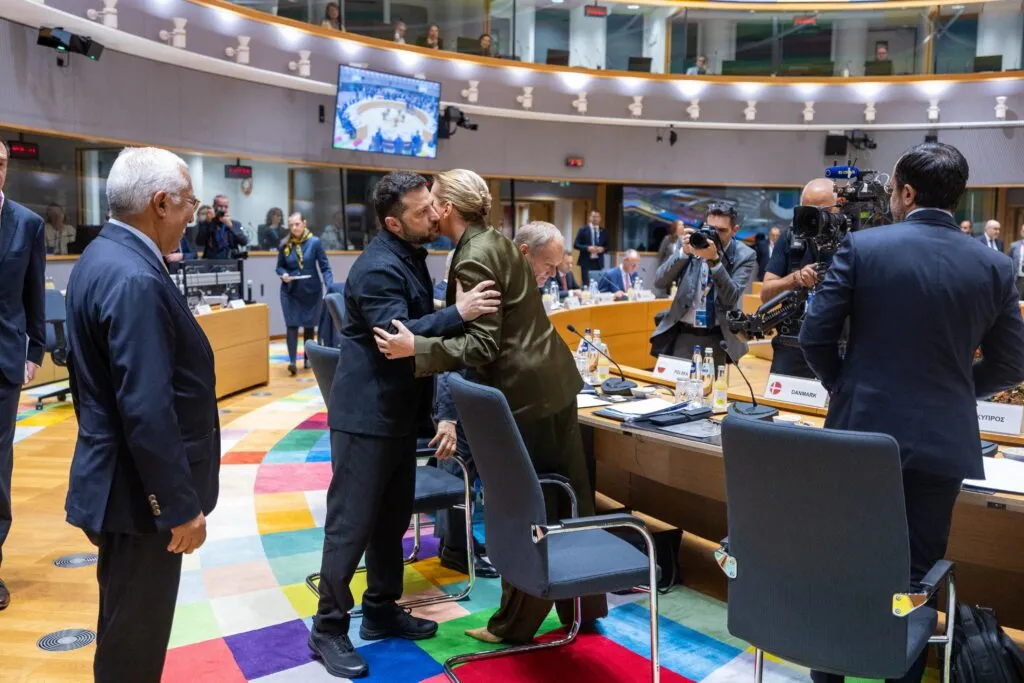
Their complaints were not simply about the decision to engage with Putin, but that Stubb and Støre had not coordinated widely with allies beforehand.
Officials familiar with the preparations for the call deny this, insisting that Frederiksen and others including leadership in France, Germany, and the U.S. were told about the call before it happened. It may simply be that Frederiksen expected more advance warning, and a genuine say over the plan. She said her Finnish and Norwegian counterparts had failed to coordinate the call with “the rest of us.”
Moscow endorsement
Støre is defiant. “She is right, because I did not ask — we did not ask for permission,” he said. “We consult each other in the Nordic family, but it is not a mechanism which is that, you know, doing this requires a yes from all the Nordics or from 27 Europeans or beyond.”
Privately, some officials think Støre aggravated the situation when he pointed out that the EU had been divided on Russia since the war began. “It’s true — it’s just not his place to say it,” one official said. “Norway is not in the EU.”
Stubb and Støre say they never sought to speak for anyone other than the countries they lead, which both border Russia. They talked to Zelenskyy at length before the call to agree what to say to Putin and then briefed him again afterwards.
They had hoped their initiative would bolster Zelenskyy. Instead, the backlash became so intense that the Ukrainian leader stepped in to defend them. “They truly help us,” he said.
The two Nordic leaders also won an endorsement from Moscow. “I believe it was the right thing to do,” Putin said. “After all, there are some people in Europe who do not want to inflict a strategic defeat on Russia … but seek to establish some kind of constructive dialogue.”
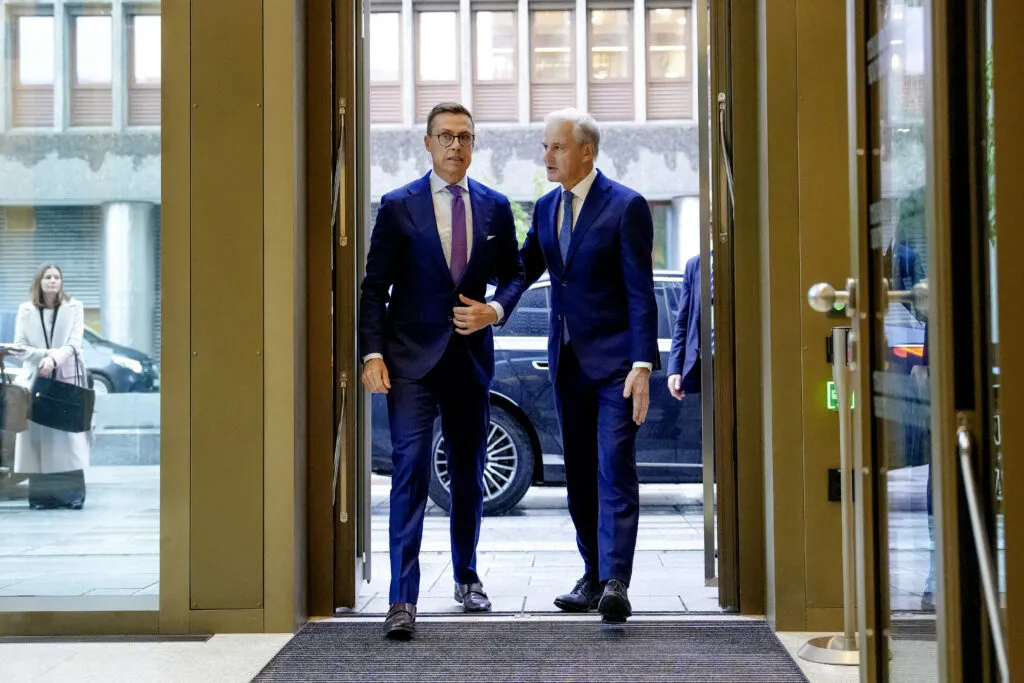
Putin’s comments are unlikely to soothe lingering resentments between Nordic neighbours. As one official put it, there may be some lasting “family trauma” among regional leaders who were not included in the plan.
For all the northern angst, the episode also exposed a harder truth for Ukraine and its supporters. Despite Trump’s domestic setbacks, he still sets the pace of talks. Europe, meanwhile, has no single voice to match America’s clout when it matters in the room.
Clea Caulcutt, Hans von der Burchard, Veronika Melkozerova and Laurens Cerulus contributed reporting.